Weekly Meal Planner Peach: Organizing Nutrition with Warmth and Precision
Bringing order to the chaos of weekly nutrition often requires a tool that feels as inviting as it is functional. The Weekly Meal Planner Peach offers a distinct approach to meal organization by combining practical tracking fields with a soft, aesthetically pleasing color palette. Unlike stark, clinical spreadsheets or overly complex digital apps, this planner uses a warm peach tone to create a visual association with comfort and nourishment. For adults navigating busy schedules, dietary goals, or household management, the psychological aspect of planning cannot be overstated. When a planning tool looks beautiful on the refrigerator or desk, the friction associated with the chore of meal prep decreases significantly.
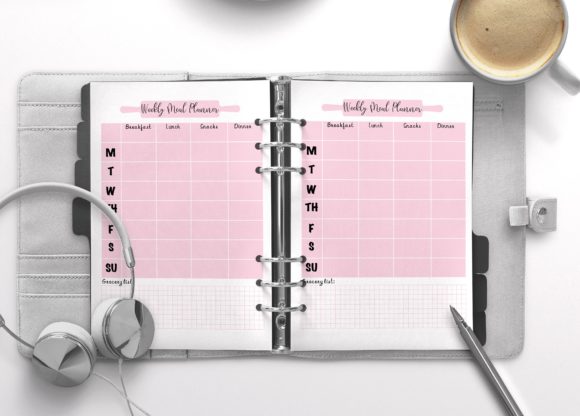
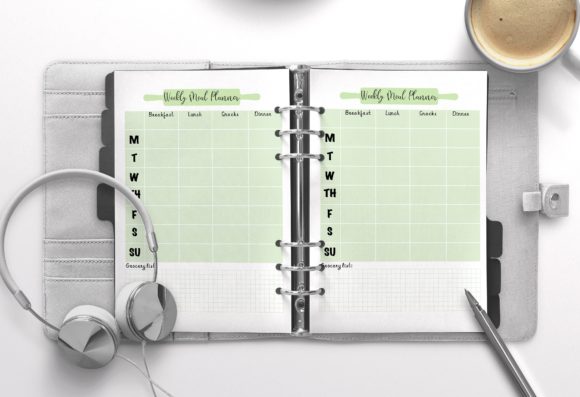
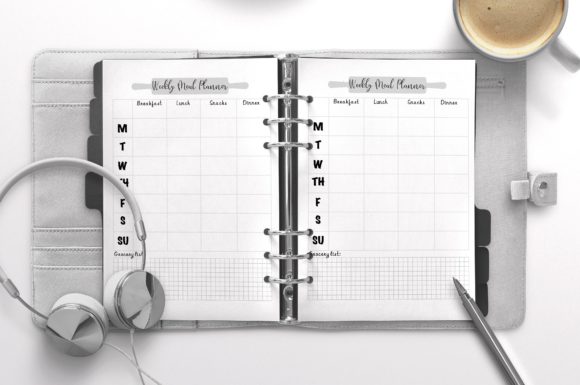
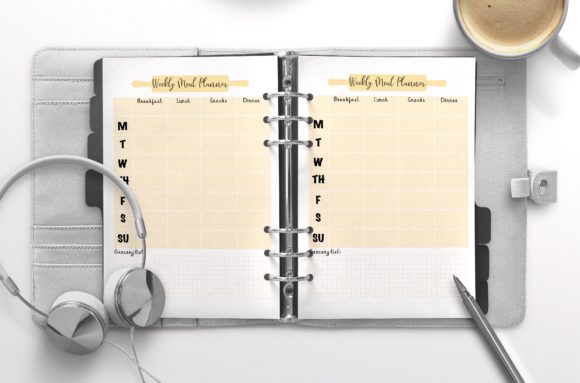
This specific planner is designed with comprehensive daily sections including breakfast, lunch, dinner, two snack slots, and dedicated space for tracking calories. Beyond the daily grid, it integrates a grocery list directly into the layout. This adjacency is crucial for real-world application. In practice, users can glance at their Tuesday dinner plan and immediately note missing ingredients in the adjacent list without flipping pages or switching apps. The availability of multiple sizes—Letter, Half Letter, A4, and A5—ensures that the system adapts to the user's physical environment rather than forcing the user to adapt to the tool.
Navigating Household Logistics and Family Dynamics
For families or shared households, the Weekly Meal Planner Peach serves as a central communication hub. The primary challenge in multi-person homes is rarely the cooking itself; it is the alignment of expectations. When a meal plan is visible in a common area, it eliminates the repetitive "what’s for dinner?" questions that drain mental energy after a long workday. The peach colorway acts as a neutral yet engaging backdrop that appeals to various age groups, making it less likely to be ignored than a standard black-and-white checklist.
Consider the scenario of coordinating different dietary needs within one home. One partner may be tracking macros while children require simple, familiar meals. The dual snack slots and calorie tracking section allow the adult to maintain personal health metrics discreetly alongside family meal planning. The grocery list section becomes a collaborative space where family members can add items as they notice shortages throughout the week. By printing this on Letter or A4 size paper, the planner commands enough visual presence to serve as the authoritative source of truth for the kitchen, reducing food waste caused by miscommunication or forgotten leftovers.
Supporting Health Goals and Dietary Transitions
Individuals actively managing weight, recovering from illness, or transitioning to new dietary protocols like keto, veganism, or low-FODMAP benefit immensely from the structured granularity of this planner. Willpower is a finite resource, and decision fatigue is the enemy of consistency. By pre-deciding meals and snacks using the Weekly Meal Planner Peach, users remove the need to make healthy choices in moments of hunger or stress. The inclusion of specific snack times prevents the grazing behavior that often derails nutritional goals.
The calorie tracking field provides immediate accountability without requiring a separate logbook. For those who find digital tracking apps triggering or distracting, the analog nature of writing down intake creates a mindful pause between intention and consumption. The Half Letter and A5 sizes are particularly valuable here. These smaller formats fit inside personal journals, wellness binders, or even large handbags, allowing the plan to travel with the individual. This portability ensures that the commitment made during Sunday planning remains visible during Wednesday’s chaotic commute or Thursday’s late-night work session.
Professional Applications in Wellness and Coaching
Nutritionists, dietitians, and wellness coaches frequently seek resources that bridge the gap between professional advice and client adherence. The Weekly Meal Planner Peach functions as an excellent tangible takeaway for clients. Its aesthetic quality signals care and professionalism, reinforcing the value of the coaching relationship. Because the design is unbranded and clean, practitioners can easily incorporate it into their existing client packets without visual clash.
In a clinical or coaching setting, the specific breakdown of meals and snacks allows professionals to identify patterns that clients might miss. A client might claim they are eating well, but a review of their handwritten planner could reveal skipped breakfasts or inconsistent snacking leading to evening binges. The grocery list component also offers insight into shopping habits and potential barriers to preparation. Coaches can use the planner as a diagnostic tool during sessions, pointing to specific days where the plan fell apart and problem-solving together. Providing a beautifully designed PDF reduces the barrier to entry for clients who feel overwhelmed by blank notebooks or intimidated by complex software.
Choosing the Right Format for Your Workflow
Selecting the correct size is essential for the planner to remain useful rather than becoming clutter. Understanding the nuances of each format helps prevent buyer’s remorse and ensures integration into daily life.
- Letter (8.5 x 11) and A4: These full-sized options are ideal for stationary use. They offer ample writing space for detailed recipes, extensive grocery lists, and larger handwriting. Best for refrigerators, clipboards, or kitchen command centers where visibility is the priority.
- Half Letter (5.5 x 8.5): A versatile middle ground that fits standard disc-bound systems and smaller binders. It provides sufficient space for planning while remaining portable enough for a tote bag or laptop sleeve. Perfect for hybrid workers who split time between home and office.
- A5 (5.8 x 8.3): Slightly taller than Half Letter, this international standard fits most personal organizers and planners. It is compact yet functional, suited for individuals who integrate meal planning into a broader bullet journal or lifestyle tracking system.
Beyond size, consider the file quantity options. Single files suit occasional users or those testing the system for the first time. However, the 100-file bundles cater to consistent planners who prefer batch printing. Printing a month or quarter of planners at once saves time and establishes a ritual. Having a stack ready removes the excuse of "I forgot to print it," maintaining momentum in habit formation.
Practical Considerations for Analog Planning Success
While the Weekly Meal Planner Peach is a powerful tool, its effectiveness depends on realistic implementation. Users should consider their printing setup before committing. Home printers vary in color accuracy; the peach shade may appear warmer or cooler depending on ink levels and paper type. Testing a single print on the intended paper stock ensures the final product meets aesthetic expectations. Heavier paper stocks generally yield better results, preventing bleed-through from markers or gel pens used in the calorie or grocery sections.
Flexibility is another critical consideration. A rigid adherence to a printed plan can lead to frustration when life inevitably intervenes. Successful users treat the planner as a guide rather than a contract. Leaving one or two dinner slots intentionally open for leftovers or spontaneous dining out builds resilience into the system. The grocery list should similarly include a "flex" area for seasonal produce or sales finds that weren't part of the original plan.
Digital integration also warrants thought. While the JPG file offers quick reference on phones or tablets, the true power lies in the tactile experience of writing. Research suggests that handwriting enhances memory retention and commitment. Users who rely solely on the digital image may find themselves disengaging from the process over time. A balanced approach involves using the JPG for grocery store reference while keeping the printed PDF as the primary planning surface.
Maximizing Value Through Customization
The simplicity of the Weekly Meal Planner Peach invites personalization. Because it is a clean PDF, users can annotate digitally before printing if they have recurring staples or fixed commitments. Adding a "Prep Day" note in the margin or highlighting high-protein meals with colored pens transforms the generic template into a personalized dashboard. Some users laminate a single copy and use dry-erase markers for a reusable, eco-friendly option, though this sacrifices the archival benefit of tracking progress over weeks.
Ultimately, this planner addresses the intersection of aesthetics and utility. It acknowledges that meal planning is not just a logistical task but an act of self-care and household stewardship. Whether used by a busy parent managing family nutrition, an individual pursuing fitness goals, or a coach supporting clients, the Weekly Meal Planner Peach provides a structured yet gentle framework for sustainable eating habits. The variety of sizes and file options ensures that regardless of the specific context or workflow, there is a configuration that supports the journey toward more intentional nourishment.