Calligraphy Paper 100 Pages: Optimizing Layouts for Letter and 6x9 Formats
Selecting the correct interior architecture for a calligraphy practice book requires more than simply placing lines on a page. For creators, educators, and self-publishers utilizing Amazon KDP or similar print-on-demand platforms, the technical specifications of the manuscript are just as critical as the artistic content. A comprehensive Calligraphy Paper 100 Pages resource serves as a foundational tool for skill development, but its effectiveness depends entirely on proper formatting, grid color selection, and size optimization. Understanding the nuances between Letter (8.5x11 in) and compact 6x9 in formats ensures that the final physical product meets the ergonomic needs of practitioners while satisfying strict printing guidelines.
Ergonomics and Size Selection for Hand Lettering
The choice between standard Letter size and the smaller 6x9 inch format dictates the user experience and the type of calligraphy best suited for the book. Each dimension offers distinct advantages depending on the target audience and the specific script being practiced.
The Utility of Letter Size (8.5 x 11 in)
The 8.5x11 inch format remains the industry standard for educational materials and comprehensive practice logs. This larger canvas provides ample horizontal space, which is essential for practicing continuous connecting strokes found in Copperplate, Spencerian, or modern cursive scripts. When utilizing a 1-page Calligraphy Paper Letter template as a master file, creators can maximize the usable area after accounting for binding margins. The vertical height allows for multiple repetition zones on a single sheet, reducing the frequency of page turns during intensive practice sessions. Furthermore, this size accommodates broader nib widths and larger x-heights without cramping the writer’s hand movement, making it ideal for beginners developing muscle memory or professionals creating display pieces.
Portability and Focus with 6x9 Inch Formats
Conversely, the 6x9 inch trim size caters to hobbyists, travelers, and those focusing on smaller scripts like Italic or Gothic minuscules. A 1-page Calligraphy Paper 6x9 layout offers a more intimate writing surface that reduces visual overwhelm. For users with smaller hands or limited desk space, this format encourages better posture and wrist positioning by keeping the active writing zone within a comfortable reach. From a publishing perspective, 6x9 books often have lower printing costs and fit more easily onto standard bookshelves, making them attractive for commercial release. However, designers must adjust line spacing and margin ratios carefully; what works on a Letter page will appear cluttered or unbalanced when scaled down to this compact dimension.
Technical Specifications for Blue Grid Interiors
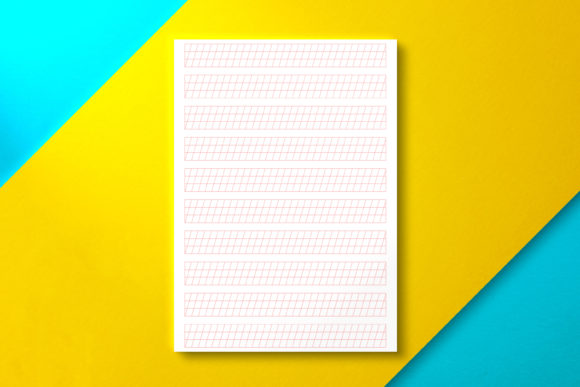
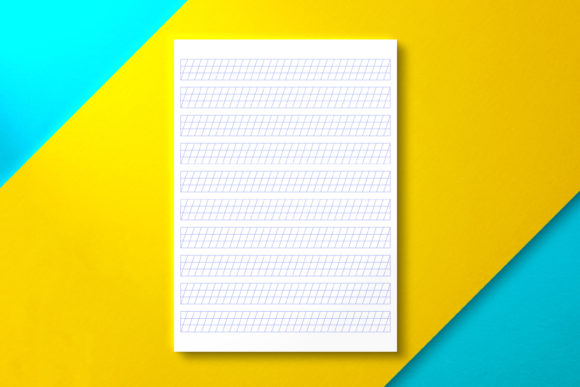
While black grids are traditional, blue guidelines have become the preferred standard for modern calligraphy practice books. The optical properties of blue ink create a necessary contrast hierarchy that enhances the learning process. When preparing Calligraphy Paper files for commercial use, understanding color theory and print limitations is vital.
- Visual Hierarchy: Blue guidelines recede visually against white paper, allowing the darker ink of the calligraphy to stand out clearly. This separation helps students analyze their stroke consistency and letterform structure without the distraction of harsh black grid lines competing for attention.
- Reproduction Safety: In print-on-demand environments, solid dark colors can sometimes bleed through lightweight paper stocks. Using a muted blue or cyan tone minimizes show-through risk compared to heavy black saturation, ensuring that the reverse side of the page remains usable.
- Line Weight Precision: Digital files must utilize vector-based lines rather than rasterized images to ensure crisp reproduction at any scale. Hairline strokes may disappear during printing, while overly thick lines consume valuable writing space. A line weight between 0.25pt and 0.5pt typically yields optimal results for blue guide grids.
- Color Profile Management: Files intended for KDP should generally be submitted in CMYK color space to prevent unexpected color shifts. RGB blues often convert to duller tones in print; designing directly in CMYK ensures the blue guidelines appear vibrant yet subtle on the physical page.
Structuring High-Volume Manuscripts for KDP
Creating a 100 pages Calligraphy Paper Letter or 100 pages Calligraphy Paper 6x9 manuscript involves more than duplicating a single page one hundred times. Efficient file management and adherence to platform-specific requirements prevent rejection and ensure a professional finish.
Margin and Bleed Calculations
Interior margins are non-negotiable in bound books. For a 100-page count, the gutter margin (the space near the spine) must be sufficient to prevent guidelines from disappearing into the binding. On a Letter-sized book, a minimum gutter of 0.75 inches is recommended, while 6x9 formats may require 0.625 inches depending on paper thickness. Outer margins should provide adequate whitespace for hand placement; cramped edges make the book frustrating to use. Designers must verify these measurements against the current KDP specification matrix before finalizing the PDF, as requirements shift based on trim size and page count.
PDF Export Standards for Commercial Use
The final deliverable must be a flattened, high-resolution PDF. Interactive elements, layers, or transparency effects can cause processing errors during upload. When generating Calligraphy Paper, PDF Size Letter 8,5x11 in or 6x9 variants, embed all fonts or convert text to outlines to guarantee that guideline labels and header information render identically across all devices and printers. File size optimization is also crucial; while vector graphics are lightweight, accidental inclusion of high-res raster backgrounds can bloat the file beyond upload limits. A well-constructed 100-page vector PDF should typically remain under 10MB, facilitating faster processing and preview generation.
Pedagogical Applications and User Experience
Beyond technical compliance, the arrangement of guidelines determines the educational value of the resource. Effective Calligraphy Paper 100 Pages collections integrate varied practice structures to support progressive learning.
Consistent baseline and x-height spacing across all 100 pages builds reliable muscle memory. However, advanced practitioners benefit from occasional variation. Some pages might feature standard ruling for alphabet drills, while others could include slant lines at 55 degrees for Copperplate or vertical centers for symmetrical lettering. Including header spaces for date tracking, nib size notation, or ink type transforms generic paper into a structured practice journal. This metadata capability adds significant value for researchers documenting historical scripts or educators tracking student progress over time.
For commercial sellers, differentiation lies in these thoughtful additions. A generic lined pad competes solely on price, whereas a purpose-built practice book with optimized blue grids, appropriate margins, and pedagogical structure commands higher perceived value. Whether targeting homeschooling parents, art therapy facilitators, or serious typographers, the alignment of physical specifications with user intent defines success.
Workflow Integration for Creators and Educators
Professionals integrating these resources into broader workflows require flexibility. Digital access to master templates allows educators to customize content before printing. A teacher might modify the 1-page Calligraphy Paper Letter master to include specific vocabulary words or historical quotes relevant to a lesson plan before generating a custom 100-page workbook for a class. Similarly, business owners creating branded merchandise or workshop materials can adapt the 6x9 format to include logos or instructional tips in the margins, provided they respect safe zones.
The "Ready Commercial Use" designation implies that the underlying design assets are cleared for resale or distribution, but it also suggests a level of polish expected in professional products. This includes consistent alignment, absence of stray artifacts, and balanced composition. When evaluating or creating these assets, verify that the blue grid color values are uniform throughout the document. Banding or color inconsistencies between pages disrupt the meditative flow essential to calligraphy practice. Quality assurance should involve printing test pages on the exact paper stock intended for final production, as screen calibration rarely matches offset or digital press output perfectly.
Considerations for Long-Term Practice Resources
A 100-page volume represents a significant commitment of time and materials for the end user. Durability and usability over extended periods should inform design decisions. Paper opacity, though largely determined by the printing platform, can be mitigated through design choices. Avoiding heavy ink coverage and maintaining generous whitespace reduces bleed-through visibility. Additionally, considering the binding method is important; perfect-bound books lay less flat than saddle-stitched or coil-bound alternatives. Designers creating content specifically for perfect-bound KDP books must compensate with wider inner margins to maintain functionality throughout the entire 100-page depth.
Ultimately, the intersection of artistic tradition and modern publishing technology creates unique opportunities for specialized resources. By meticulously addressing format dimensions, color science, platform requirements, and pedagogical structure, creators can produce Calligraphy Paper 100 Pages volumes that serve as genuine tools for mastery rather than mere commodities. Whether formatted in expansive Letter size for detailed study or compact 6x9 for portable practice, the integrity of the underlying design determines whether the paper facilitates growth or hinders it. Attention to these technical and experiential details separates functional practice aids from exceptional ones.