Evaluating KDP 50 Recipes Organizer Notebook Vol 2 for Publishing and Personal Use
Selecting the right interior template for a recipe journal involves balancing aesthetic appeal with functional utility. For publishers and individuals considering the KDP 50 Recipes Organizer Notebook Vol 2, the decision often hinges on specific design elements, technical readiness, and how this volume distinguishes itself from generic alternatives in the low-content book market. This resource is positioned as a niche-specific interior that combines organizational structure with a distinct visual theme, targeting users who value both fashion-forward aesthetics and practical culinary documentation.
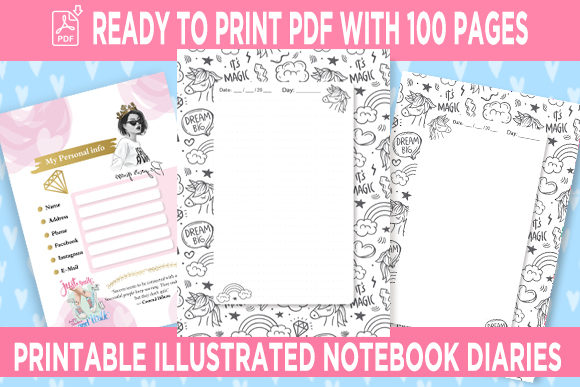
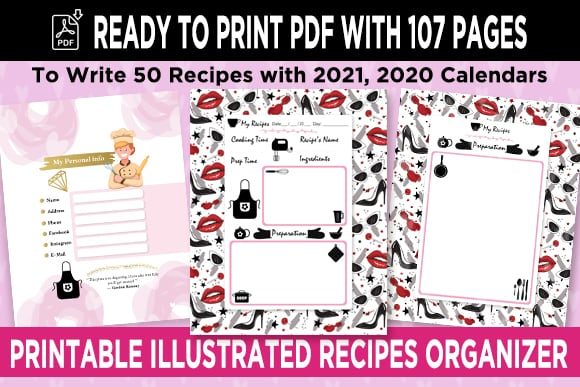
Unlike standard minimalist organizers, this 107-page notebook integrates a "fashionista makeup" illustration theme against functional recipe layouts. It includes supplementary materials such as 2020 and 2021 calendars with nature flourish illustrations, conversion tables, and private information pages. Available in both CMYK and Black & White PDF formats with proper bleed settings (7.625″ x 9.5″), it serves dual purposes: as a ready-to-upload KDP asset for self-publishers or as a printable home organization tool. Understanding where this specific volume fits within the broader ecosystem of recipe journals requires examining its unique features, tradeoffs, and ideal use cases.
Distinguishing Features and Thematic Niche
The primary differentiator of the KDP 50 Recipes Organizer Notebook Vol 2 is its departure from traditional kitchen-centric imagery. Most recipe organizers utilize motifs involving utensils, herbs, or rustic textures. By adopting a fashion and makeup illustration theme, this volume targets a specific demographic intersection: individuals who view cooking as an extension of personal style and lifestyle curation rather than purely domestic labor. This thematic choice impacts marketability and user engagement significantly.
- Visual Cohesion: The background illustrations provide a consistent aesthetic thread throughout the 50 recipe slots, preventing the blank-page fatigue common in utilitarian journals.
- Supplementary Content: The inclusion of nature flourish calendars adds a contrasting organic element to the fashion theme, broadening the visual appeal beyond a single motif.
- Functional Additions: Conversion tables for temperature and volume are integrated directly into the interior, reducing the need for external references during active cooking sessions.
- Privacy Integration: A dedicated private information page acknowledges that physical recipe books often contain family secrets or personal notes, adding a layer of security not always present in open-format journals.
For publishers, this specificity reduces direct competition with saturated "generic recipe book" keywords. For personal users, it offers a sense of ownership and identity that mass-market stationery rarely provides. However, this distinctiveness also means the product has a narrower audience compared to neutral designs.
Technical Specifications and Format Versatility
A critical evaluation factor for any KDP interior is technical compliance. The KDP 50 Recipes Organizer Notebook Vol 2 addresses common publishing pain points through its file deliverables. The provision of separate CMYK and Black & White PDF files is a significant advantage over templates that only offer RGB or single-format outputs.
Color vs. Monochrome Considerations
The availability of a CMYK file ensures that the fashionista illustrations retain their intended vibrancy for premium color printing. Conversely, the Black & White version caters to cost-conscious publishers or home printers where grayscale is more economical. This flexibility allows creators to test market response at different price points without redesigning the interior. Standard KDP interiors often force a choice between expensive color or dull grayscale; having optimized versions of both mitigates this compromise.
Bleed and Margin Compliance
The 7.625″ x 9.5″ trim size with pre-set bleed and margins eliminates the most frequent cause of KDP rejection. Many downloadable templates require manual adjustment in design software, introducing error risks. This notebook arrives print-ready, which is particularly valuable for those without advanced formatting skills. Additionally, the inclusion of JPG files with bleed offers an alternative workflow for users who prefer to compile custom notebooks using platforms like Canva or Photoshop, rather than uploading the pre-made PDF directly.
Comparative Analysis: Structured vs. Flexible Organization
When evaluating this organizer against other options, the distinction between structured templates and flexible formats becomes apparent. The KDP 50 Recipes Organizer Notebook Vol 2 utilizes a fixed layout for 50 recipes. This contrasts sharply with digital apps or dot-grid journals.
| Feature | KDP Vol 2 (Structured) | Digital Recipe Apps | Blank/Dot Grid Journals |
|---|---|---|---|
| Consistency | High (Uniform fields) | Variable (Depends on entry) | Low (User dependent) |
| Tactile Experience | Physical book with themed art | Screen-based | Physical but unguided |
| Searchability | Manual (Index/Tabbing) | Instant keyword search | Manual only |
| Setup Time | None (Ready to write/print) | Data entry required | Layout design required |
The structured approach of this notebook excels in reducing cognitive load. Users do not need to decide how to format ingredients or instructions each time they write; the template dictates the flow. This is superior for legacy preservation where uniformity matters. However, it lacks the adaptability of digital tools or blank journals for non-standard content like meal planning, grocery lists, or long-form food writing. If a user requires multifunctionality beyond recipe recording, this specialized volume may be too restrictive.
Tradeoffs and Limitations to Consider
While the KDP 50 Recipes Organizer Notebook Vol 2 offers distinct advantages, potential buyers must weigh specific limitations against their needs. Transparency regarding these factors ensures informed decision-making.
Date-Sensitive Content
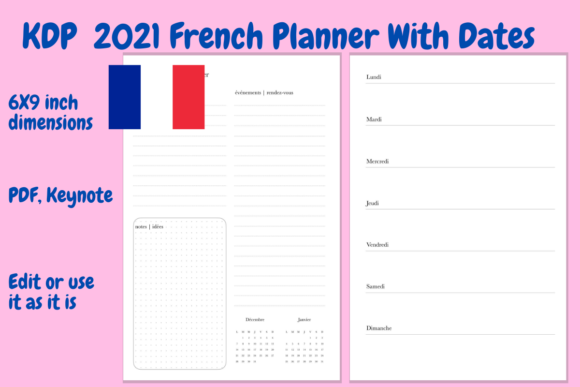
The inclusion of 2020 and 2021 calendars presents a relevance challenge. For current publishing or personal use, these dates are archival rather than functional. Publishers should consider whether outdated calendars add perceived value as "vintage" elements or detract from the product's utility. Personal users may find these pages useful for historical tracking but irrelevant for future planning. This contrasts with evergreen organizers that omit years entirely or updated editions featuring current calendars.
Capacity Constraints
With exactly 50 recipe slots across 107 pages, this is a compact volume. Serious collectors or professional chefs with extensive repertoires may find this insufficient as a master reference. It functions better as a curated collection of favorites, a gift book, or a starter journal. Alternatives offering 100+ recipes exist but often sacrifice portability or increase printing costs. The 50-recipe limit forces curation, which can be a feature for some and a bug for others.
Aesthetic Specificity
The fashionista makeup theme is polarizing by design. While it creates strong brand identity for a niche audience, it limits crossover appeal. A traditional baker seeking a heritage-style journal or a minimalist user preferring clean lines will likely bypass this product regardless of its technical quality. Buyers should assess whether their target demographic (or personal taste) aligns specifically with this stylized aesthetic versus more universal designs.
Identifying the Right Fit
Determining whether the KDP 50 Recipes Organizer Notebook Vol 2 is the optimal choice depends on specific user profiles and objectives.
This resource is likely a strong fit if:
- You are a KDP publisher targeting the "girly," "lifestyle," or "beauty enthusiast" sub-niches within the cookbook category.
- You need a technically compliant, print-ready interior without investing in custom design services.
- You want a physical backup for your top 50 signature dishes with a cohesive visual identity.
- You require both color and B&W source files to maximize pricing strategy options.
- You value the inclusion of conversion charts and privacy pages as value-add features.
Alternative solutions may be preferable if:
- You require current-year calendars or evergreen date tracking.
- Your focus is on meal planning, dietary tracking, or inventory management rather than individual recipe archiving.
- You need a gender-neutral or traditionally rustic aesthetic for broader market appeal.
- You require editable source files (e.g., InDesign or Affinity Publisher) to modify the layout structure itself, rather than just using provided JPGs/PDFs.
- You are building a comprehensive family archive exceeding 50 entries.
Making an Informed Selection
The KDP 50 Recipes Organizer Notebook Vol 2 represents a specialized solution within the recipe organization landscape. Its strength lies in the intersection of niche aesthetics and technical readiness, offering a turnkey product for publishers and a distinctive journal for personal users. The dual-format delivery and precise trim specifications address practical production concerns effectively.
However, the presence of dated calendars and the highly specific visual theme necessitate careful consideration of end-user expectations. Success with this product depends less on its objective quality—which appears robust—and more on alignment with specific aesthetic preferences and capacity needs. By weighing the structured convenience and unique styling against the limitations of date sensitivity and fixed capacity, buyers can determine whether this volume serves their publishing portfolio or personal kitchen library better than available alternatives. Ultimately, it stands as a viable option for those prioritizing curated style and immediate usability over expansive flexibility or timeless neutrality.