Evaluating the Scuba Diving Logbook KDP Interior for Self-Publishing
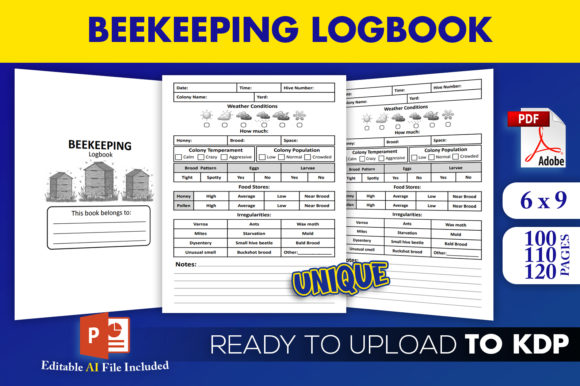
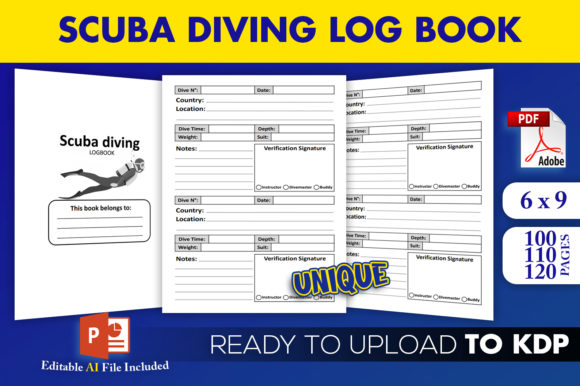
For independent publishers and content creators targeting the niche diving market, sourcing high-quality, compliant interiors is often the most significant bottleneck. The Scuba Diving Logbook KDP Interior package addresses this specific friction point by providing pre-formatted, tested templates designed for immediate use on Amazon’s print-on-demand platform. Rather than spending dozens of hours designing tables, calculating bleed margins, or troubleshooting rejection errors, this resource offers a streamlined pathway to publication. It includes editable PowerPoint source files alongside three distinct PDF variations (100, 110, and 120 pages), all formatted to the industry-standard 6×9 trim size.
This asset is particularly relevant for entrepreneurs, dive shop owners, and freelance designers who understand that in low-content publishing, the value lies not just in the concept, but in the technical execution. A logbook must be functional before it is aesthetic. This review examines the practical utility, technical reliability, and strategic flexibility of this interior package for professionals looking to expand their catalog or create branded merchandise without the overhead of custom graphic design.
Technical Compliance and File Integrity
The primary concern for any KDP publisher is file rejection. Amazon’s automated review system is notoriously strict regarding margin safety zones, bleed settings, and embedded fonts. The claim that these files have been "tested on KDP" is the most critical feature of this package. In practical application, this means the 6×9 trim size has been verified against current KDP specifications for black-and-white standard color printing.
The inclusion of high-resolution interiors ensures that lines remain crisp and text remains legible after printing. Low-resolution templates often result in pixelated grid lines or fuzzy headers, which leads to poor customer reviews and returns. These templates maintain vector-quality sharpness at the specified trim size. Furthermore, the provision of three page counts—100, 110, and 120 pages—allows for strategic pricing tiering. Publishers can test different price points or offer a "premium" version with additional log entries without needing to reformat the entire document. This variation also helps mitigate duplicate content flags if you are publishing multiple editions, as the physical spine width and internal structure differ slightly between versions.
Editability and Brand Customization
While ready-to-upload PDFs provide speed, the editable PowerPoint (.pptx) source file provides long-term asset value. Many KDP interiors are sold as flattened PDFs only, locking the user into a generic design. The .pptx format allows for meaningful customization without requiring expensive software like Adobe InDesign or Affinity Publisher.
For dive instructors, shop owners, or branding agencies, this editability is essential. You can:
- Add Business Branding: Insert your dive center’s logo, contact information, or QR code linking to certification courses on the title page or footer.
- Modify Field Labels: Adjust terminology to match specific regional standards or training agency requirements (e.g., changing "Depth" to "Max Depth" or adding specific fields for nitrox blends).
- Create Derivative Products: Use the base layout to create specialized logs for wreck diving, scientific surveying, or instructor training records.
- Update Content: If KDP changes margin requirements or if you wish to add a new reference table in future editions, the source file allows for updates without rebuilding the book from scratch.
This flexibility transforms the product from a single-use template into a foundational design system. However, users should note that while PowerPoint is accessible, it is not a professional typesetting tool. Extensive layout changes may require careful attention to alignment guides to maintain the clean, professional appearance of the original template.
Functional Design and User Experience
A logbook is a tool, and its commercial success depends entirely on its usability underwater and on the boat. When evaluating the Scuba Diving Logbook KDP Interior, the layout prioritizes data entry efficiency over decorative elements. The 6×9 form factor is the optimal balance between portability and writing space; it fits easily into dive bag pockets while providing sufficient surface area for recording detailed dive profiles.
Effective logbook interiors typically include standardized fields for date, location, site name, buddy, bottom time, max depth, air consumption, weight, and exposure protection. Beyond basic metrics, high-value interiors often incorporate sections for equipment configuration, environmental conditions, and personal notes. This specific package appears structured to capture comprehensive dive data, which appeals to serious hobbyists and professionals tracking their cumulative hours for insurance or employment purposes.
The spacing of input fields is another critical UX consideration. Divers often write in wet environments or with gloves; cramped layouts lead to frustration. Adequate gutter margins are equally important in a 6×9 book to ensure that writing near the binding does not disappear into the spine. The pre-tested nature of this file suggests these ergonomic factors have been accounted for in the template design, reducing the risk of producing a physically awkward product.
Strategic Fit for Publishers and Professionals
Understanding who benefits most from this resource helps determine its ROI. The Scuba Diving Logbook KDP Interior serves several distinct user personas effectively:
- KDP Niche Publishers: For those building a portfolio of outdoor activity journals, this saves development time. The diving niche is evergreen but competitive; having a professionally formatted, tested interior allows you to focus resources on cover design, keyword research, and marketing rather than formatting.
- Dive Shops and Resorts: Creating branded logbooks is a classic revenue stream and marketing tool for dive businesses. Using this template significantly reduces the cost compared to hiring a designer or using offset printing for small batches. POD allows shops to keep inventory costs near zero.
- Dive Instructors and Educators: Instructors often need student logbooks that align with specific curriculum standards. The editable source file allows educators to tailor the interior to their teaching methodology or agency requirements.
- Freelance Designers: For designers offering KDP setup services, this asset acts as a reliable base component, accelerating delivery times for clients in the adventure sports niche.
Conversely, this package may not suit creators seeking highly artistic, illustrated logbooks or those targeting non-standard trim sizes. It is a utilitarian solution optimized for function and compliance, not avant-garde book design.
Practical Considerations and Limitations
While the package offers significant advantages, realistic expectations are necessary for successful implementation. First, "editable in PowerPoint" implies accessibility, not infinite malleability. Users unfamiliar with master slides or object grouping in PPTX may find global style changes tedious. It is advisable to save a backup copy of the original source file before making modifications.
Second, although the files are described as KDP-tested, Amazon frequently updates its submission guidelines. Always run the final PDF through KDP Previewer before approving for publication, regardless of the vendor's testing claims. This extra step takes minutes and prevents costly proof copies or launch delays.
Third, differentiation is key in the logbook category. Since other users may purchase this same template, relying solely on the interior for sales is risky. Success will depend on combining this solid foundation with unique cover art, compelling metadata, and perhaps supplementary content (such as local dive site guides or equipment checklists) added via the editable source file. The template solves the production problem; the publisher must still solve the positioning problem.
Assessing Long-Term Value
In the context of digital assets for publishing, value is measured by time saved and error reduction. The Scuba Diving Logbook KDP Interior represents a pragmatic investment for those who view self-publishing as a business rather than a craft project. The combination of multiple page counts, verified compliance, and source file access creates a versatile toolkit that extends beyond a single upload.
For professionals aged 20–50 managing multiple projects or businesses, the opportunity cost of learning KDP formatting from scratch is high. This resource effectively outsources the technical validation phase of production. Whether used to generate passive income through Amazon, create operational tools for a dive business, or fulfill client work, the package delivers functional reliability. By eliminating technical uncertainty, it allows creators to focus on audience building and product differentiation—the actual drivers of sustainable success in the niche publishing market.