Pet Immunization Veterinary Record: Evaluating Structure, Utility, and Alternatives for Vaccine Tracking
Maintaining an accurate history of veterinary care is a fundamental aspect of responsible pet ownership, yet it remains one of the most frequently disorganized areas of pet management. A dedicated Pet Immunization Veterinary Record serves as a centralized repository for critical health data, specifically designed to track vaccination visits and ensure compliance with medical protocols. Unlike general pet journals or scattered digital receipts, this specific type of record focuses on the chronological and clinical accuracy required for boarding, travel, insurance claims, and emergency care. Understanding the distinct utility of a structured immunization log requires comparing it against the various alternatives available to modern pet owners, ranging from smartphone applications to loose clinic printouts.
Defining the Structured Immunization Log
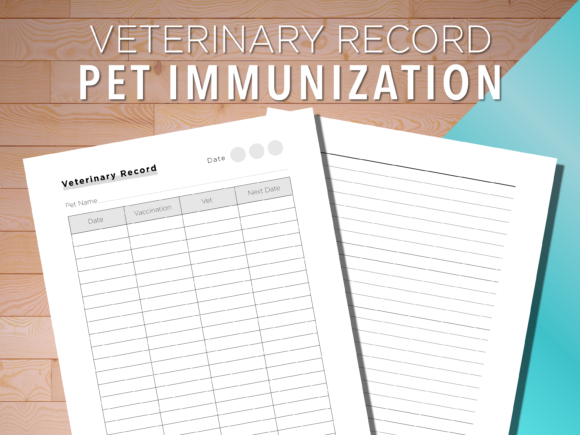
A Pet Immunization Veterinary Record is distinct because it prioritizes standardized data entry over narrative or multimedia features. While many pet management tools focus on social sharing or broad lifestyle tracking, an immunization-specific record is built around four non-negotiable data points: the date of service, the specific vaccination administered, the attending veterinarian or clinic, and the calculated next due date. This structure transforms raw data into actionable intelligence. The inclusion of the "next date" field is particularly significant; it shifts the document from a passive historical archive to an active planning tool. This forward-looking component helps prevent lapses in immunity, which can occur when owners rely solely on memory or unorganized paperwork.
The addition of a dedicated notes page further differentiates this format from simple spreadsheet templates. Veterinary medicine often involves nuances that do not fit into standard checkboxes. Adverse reactions to specific vaccine manufacturers, titer test results indicating sufficient immunity without booster administration, or temporary medical exemptions are critical context. A designated space for these observations ensures that the quantitative data (dates and names) is supported by qualitative context, providing a holistic view of the animal’s immune status that automated systems often miss.
Comparing Physical Records Against Digital Solutions
When evaluating options for tracking veterinary visits, pet owners typically choose between physical logs, mobile applications, and cloud-based portals. Each approach offers distinct tradeoffs regarding accessibility, reliability, and ease of use. Mobile applications excel at convenience and automated reminders. They can send push notifications when a rabies vaccine is expiring and often integrate with GPS to locate nearby emergency clinics. However, digital solutions introduce dependencies on battery life, internet connectivity, and platform longevity. If an app developer ceases support or changes their privacy policy, years of medical history can become inaccessible or compromised. Furthermore, digital fatigue is a real factor; users frequently abandon apps that require excessive data entry or subscription fees.
In contrast, a physical Pet Immunization Veterinary Record offers permanence and independence from technology. It does not require updates, charging, or Wi-Fi. For individuals who manage multiple pets or prefer tactile organization, a physical book provides immediate visual confirmation of status without navigating through menus. The tradeoff is the lack of automation. There are no push notifications to remind an owner of an upcoming appointment, and the record cannot be instantly shared with a specialist via email. However, for core documentation—especially for legal requirements like rabies certificates or international travel—a physical record signed or stamped by a veterinarian often carries more weight and universal acceptance than a screenshot from a third-party app.
Evaluating Clinic Portals and Email Records
Many veterinary practices now offer client portals where vaccination history is automatically synced. While this seems like the ideal solution, it has significant limitations for comprehensive personal record-keeping. Portals are typically siloed; they only display records from that specific practice group. If a pet receives care at an emergency hospital, a specialty center, or a low-cost vaccine clinic, those visits rarely appear in the primary vet’s portal automatically. Relying exclusively on a single clinic’s database creates gaps in the medical timeline. A personal Pet Immunization Veterinary Record acts as an aggregator, consolidating data from disparate providers into a single, coherent timeline. This consolidation is vital during emergencies when a new veterinarian needs to verify vaccine status immediately and cannot wait for records to be faxed from multiple sources.
Decision Factors: When to Use a Dedicated Record
Determining whether a dedicated immunization tracker is necessary depends on the complexity of the pet’s life and the owner’s administrative style. This tool is best suited for specific high-compliance scenarios rather than casual pet ownership.
- Multi-Pet Households: Owners managing three or more animals often struggle to remember which pet is due for which vaccine. A structured log prevents the confusion of overlapping schedules and ensures no individual animal is overlooked.
- Frequent Travelers: International travel and interstate transport have strict regulatory requirements regarding vaccine timing. Border agents and airlines require precise documentation. A dedicated record allows owners to audit their compliance well before departure dates.
- Pets with Complex Medical Histories: Animals with prior vaccine reactions or autoimmune conditions require careful monitoring. The notes section allows owners to track correlations between specific vaccines and health events, facilitating better discussions with veterinarians about future protocols.
- Show and Working Dogs: These animals often face higher exposure risks and stricter entry requirements for events. Maintaining a flawless, verifiable record is often a condition of participation.
Conversely, a dedicated physical or standalone digital record may be unnecessary for owners with a single indoor cat that rarely travels and sees only one veterinarian throughout its life. In such low-complexity situations, the clinic’s internal reminder system and annual exam cards are usually sufficient. Over-engineering the record-keeping process can lead to abandonment; the best system is always the one the owner will actually maintain consistently.
Strengths and Limitations of Standardized Tracking
The primary strength of a formatted Pet Immunization Veterinary Record is error reduction. By providing pre-defined fields for date, vaccine type, vet name, and next due date, the format reduces cognitive load. Owners do not have to decide what information is important; the structure dictates it. This standardization also aids in communication. When presenting a well-organized record to a new veterinarian or boarding facility, the information is instantly digestible, reducing administrative friction and potential misunderstandings.
However, users must recognize the limitations. A personal record is a secondary source; it does not replace official veterinary certificates. Legal proof of rabies vaccination, for example, must come from a licensed veterinarian on an official tag or certificate. A handwritten entry in a personal log is useful for reference but may not satisfy legal mandates. Additionally, physical records are vulnerable to loss, damage, and illegibility. Unlike cloud backups, if the book is misplaced, the data is gone. Mitigating this risk requires discipline, such as keeping the record in a designated fireproof safe or scanning pages periodically for digital backup.
The Role of the Notes Section in Clinical Decision Making
The extra page for notes is often undervalued but serves a critical function in longitudinal health tracking. Vaccination is not merely a binary event of "done" or "not done." Veterinarians increasingly tailor protocols based on individual risk assessment. Notes allow owners to record titer test values, documenting when a blood test showed adequate antibody levels, thus justifying the decision to skip a booster. They provide space to note batch numbers in case of recalls or to document mild side effects like lethargy or facial swelling. Over time, this qualitative data builds a pattern that helps veterinarians make safer, more personalized recommendations. Without this dedicated space, such nuanced information is often lost or forgotten between annual visits.
Integrating Records into a Broader Health Strategy
Ultimately, a Pet Immunization Veterinary Record should be viewed as one component of a broader health management strategy rather than a standalone solution. It bridges the gap between professional veterinary care and daily ownership responsibilities. For those comparing options, the decision should hinge on reliability and fit rather than feature count. High-tech solutions offer convenience but introduce fragility; low-tech solutions offer durability but require manual diligence. Hybrid approaches, where a physical log serves as the master record and a digital calendar handles reminders, often provide the optimal balance of security and usability.
Evaluating the right tool requires honest self-assessment regarding organizational habits and the specific regulatory environment in which the pet lives. Whether choosing a leather-bound journal, a printable PDF template, or a sophisticated app, the goal remains consistent: ensuring the animal maintains protective immunity through accurate, accessible, and actionable record-keeping. By understanding the distinct role of an immunization-specific tracker compared to general pet apps or clinic portals, owners can select a resource that genuinely supports their pet’s long-term health outcomes without adding unnecessary administrative burden.